English
 Arabic
 French
 Spanish
 Portuguese
 Deutsch
 Turkish
 Dutch
Dutch
 Italiano
 Russian
 Romaian
 Portuguese (Brazil)
 Greek
Greek

Bone Cement and Glue Market Report 2020-2030, Industry Share, Size, and Forecast
Other |
2025-02-07 10:59:44
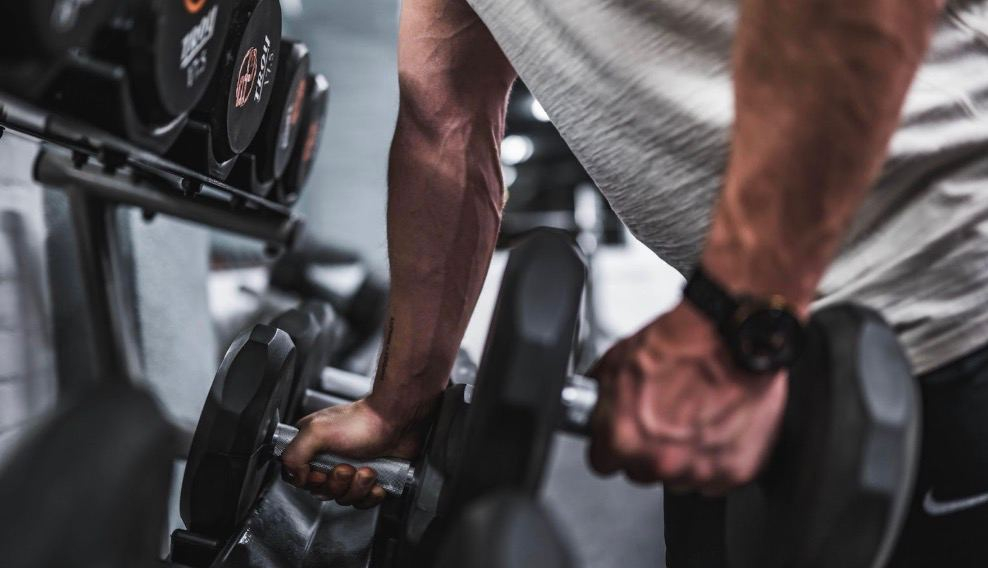
The idea of enhancing recovery, building lean muscle, and improving energy has always attracted attention. Human Growth Hormone (HGH), once discussed mainly in clinical circles, is now a regular part of conversations around performance, longevity, and body composition. But the real value of HGH is often misunderstood—especially when hype overshadows biology.
Let’s break down what HGH actually does, who might benefit from it, and why using it wisely matters more than using it aggressively.
HGH is a natural hormone released in pulses by the pituitary gland. The highest pulses usually happen during deep sleep. It plays a key role in growth, tissue repair, metabolism, and recovery.
In medical settings, HGH is used as recombinant somatropin—administered subcutaneously in tiny doses. These small, precise doses are often based on IGF-1 lab readings, helping restore hormonal balance in adults with deficiency or age-related decline. Unlike stimulants or quick fixes, HGH has a slower, foundational effect—helping systems work better over time.
For those in high-demand physical environments, HGH is appealing for three main reasons:
Tissue Support and Joint Health
HGH speeds up collagen turnover, which helps support tendons and ligaments. When training volume increases, this effect may reduce joint stress and lower the risk of wear and tear.
Fat Utilization Over Time
Somatropin can slowly shift how the body handles energy—encouraging fat burning and preserving muscle mass. However, this only happens when paired with structured training and a diet that supports fat metabolism.
Deeper Sleep and a Sense of Recovery
Many users report more restorative sleep and faster bounce-back between sessions. This is partially due to water redistribution and better glycogen storage, but it also connects to the hormone's influence on the body’s recovery rhythm.
One of the biggest mistakes people make with HGH is assuming that more equals better. In practice, this is rarely true.
Medical users take carefully measured micro-doses. Athletes and bodybuilders often exceed these amounts—sometimes dramatically—which introduces problems: water retention, numb hands, stiff joints, and other signs of overuse. These aren’t strength gains—they’re stress signals.
More isn’t better if it overrides how your body self-regulates. Overdosing doesn’t just add risks—it also reduces effectiveness by causing hormonal pushback.
It’s important to understand that HGH isn’t the only compound working in this space. Another major player is IGF‑1 LR3, a lab-modified version of a naturally occurring growth factor. While HGH acts upstream (telling the body to produce IGF-1), IGF‑1 LR3 acts downstream—sending signals directly to tissue for growth and repair.
So which is better? That depends on your goals and how your body responds. Some users prefer the broad foundational effect of HGH. Others favor the more localized impact of IGF‑1 LR3, especially for muscle density and nutrient partitioning.
For those weighing the pros and cons of each, this comparison on igf-1 vs hgh https://veranmedical.com/igf-1-vs-hgh/ helps explain how each compound works and where they make the most sense.
HGH works best when it complements a lifestyle built on discipline—consistent sleep, nutrition, strength work, and rest. It doesn’t replace effort; it supports it.
Its real value lies in helping people recover better, sleep more deeply, and maintain energy over time. But when someone tries to use it as a shortcut—ignoring the need for training, ignoring sleep, or overloading doses—it stops being helpful and starts being harmful.
Instead of “maximizing” the dose, most benefit comes from syncing the therapy with how the body naturally operates.
HGH has legitimate value. It’s not magic, and it’s not meant for reckless use. But for adults with slowed recovery, fatigue, or metabolic shifts, it can help restore a sense of balance and performance—if used carefully.
Whether you're looking to improve how you recover, maintain lean muscle, or simply feel stronger as you age, HGH can play a role. But it should never replace the foundation: sleep, structure, nutrition, and consistent work. Used correctly, it doesn't just support short-term performance—it contributes to long-term health.